

Wide-angle lenses are versatile and popular tools in the world of photography. With their wide field of view, these lenses offer a unique perspective and capture more of the surroundings in a single image. In this informative article, we will explore the types of wide-angle lenses, their focal length range, and their uses.
Wide-angle lenses are characterized by having a shorter focal length than standard lenses. Generally, lenses with a focal length of 35 mm or less are considered wide-angle lenses. However, there are different types of wide-angle lenses that cover different ranges in millimeters.

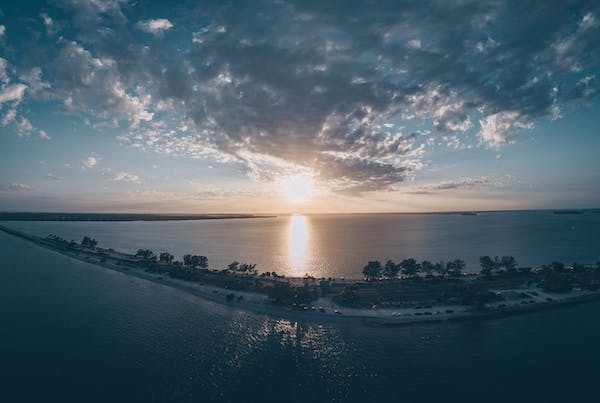
The first type of wide-angle lens is the ultra-wide-angle, which has a focal length below 24 mm. These lenses provide an extremely wide perspective, capturing an exceptionally broad field of view. They are ideal for landscape photography, architecture, interior photography, and situations where including a large number of elements in the frame is desired.
The second type of wide-angle lens is the standard wide-angle, which has a focal length of approximately 24 mm to 35 mm. These lenses offer a wide field of view but not as extreme as ultra-wide-angle lenses. They are highly versatile and used in a wide range of photographic genres, such as street photography, environmental portraits, and event photography.
Wide-angle lenses are appreciated for their ability to expand perspective and create a sense of depth in images. By having a wider angle of view, they allow for including more elements in the frame, resulting in dynamic and impactful compositions.
In addition to their traditional use in landscapes and architecture, wide-angle lenses are also effective in situations where capturing a close scene is needed but there is not enough physical space to step back, such as in small indoor spaces or group photography.
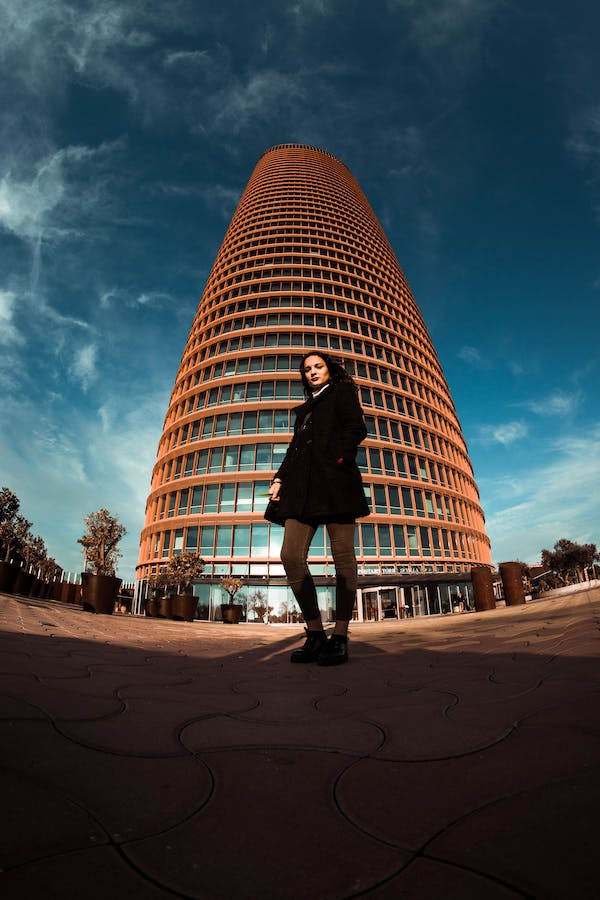
It is important to note that wide-angle lenses can produce an optical distortion known as “barrel distortion.” This distortion can make objects at the edges of the image appear wider or curved. However, this characteristic can also be creatively utilized to add a unique look to photographs.
Wide-angle lenses offer a wide field of view and are ideal for capturing landscapes, architecture, interior photography, and many other situations. Whether using an ultra-wide-angle to encompass a vast space or a standard wide-angle to capture close moments with a wide perspective, these lenses are valuable tools in any photographer’s arsenal.


