

Food photography is a specialized discipline used to capture the beauty and deliciousness of dishes. Whether for advertising, restaurant menus, or gastronomic blogs, food images play a fundamental role in arousing appetite and attracting diners. In this article, we will explore the world of food photography, from food preparation to the equipment and techniques used to achieve irresistible images.
Food Preparation for the Session

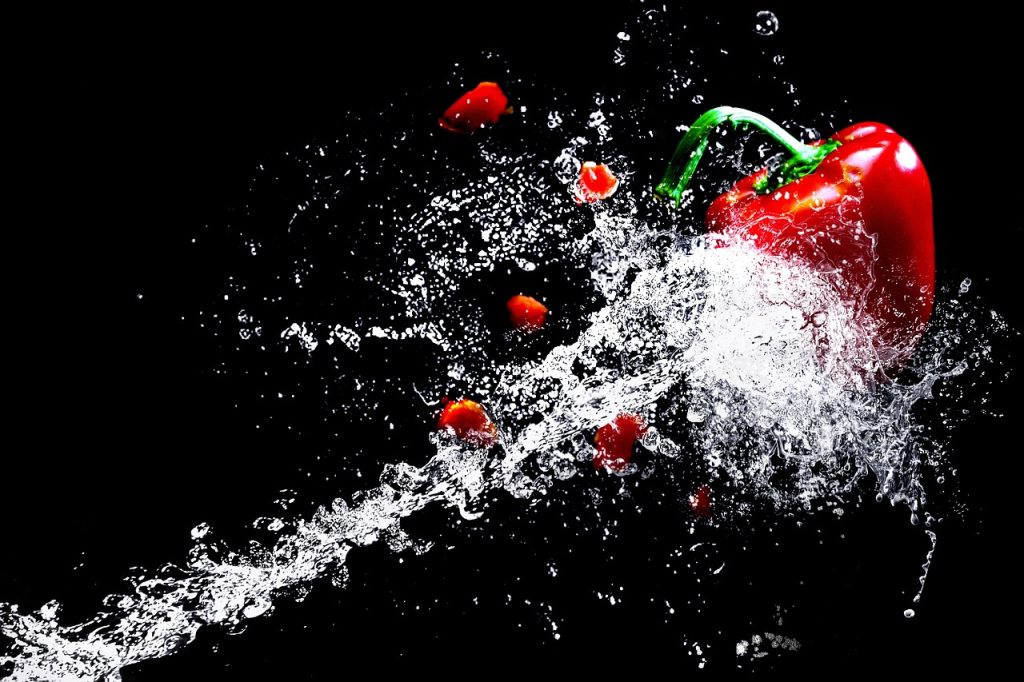
Preparing food for a photography session requires attention to detail and special techniques to highlight its appetizing appearance. The food must be fresh, well-cooked, and presented attractively. Visual tricks can be used, such as spraying oil to add shine to ingredients, adding steam or misting water to create a sense of freshness, and strategically placing decorative elements to enhance the composition.
“Makeup” for Food
Similar to makeup for models, food may also need a bit of “makeup” to highlight its features. This involves adjusting the appearance of ingredients and dishes through techniques such as applying glazes, sauces, or oils to enhance their shine and texture. Kitchen utensils and tools can also be used to shape the food and ensure it looks presentable in front of the camera.

Equipment Used in Food Photography
- Camera: It is recommended to use a digital single-lens reflex (DSLR) camera or a mirrorless camera with the option to manually adjust settings. This allows for greater control over exposure, focus, and other technical aspects of the image.
- Lenses: Macro lenses are ideal for food photography as they allow capturing close-up details and highlighting the texture of the food. Lenses with a focal length of 50mm or 85mm are also popular for overall food shots.
- Tripod: Using a tripod is essential to maintain camera stability and avoid movement during the shot. This ensures sharp images and facilitates composition.
- Lighting: Lighting is a crucial aspect of food photography. Natural light or artificial light sources, such as softboxes or LED panels, can be used to create soft and flattering illumination. Diffusing the light and strategically placing reflectors or diffusers can help control shadows and highlight details.
Composition and Styling
Image composition is essential in creating an appealing food photograph. Basic composition rules, such as the rule of thirds, can be applied to achieve visual balance. Styling, which involves selecting dishes, utensils, and decorative accessories, also plays an important role in creating an atmosphere and a story around the dish.
Whether for advertising work or showcasing to our friends on Instagram what we’re about to eat, food photography is a delicious art that has firmly established itself in our culture.


