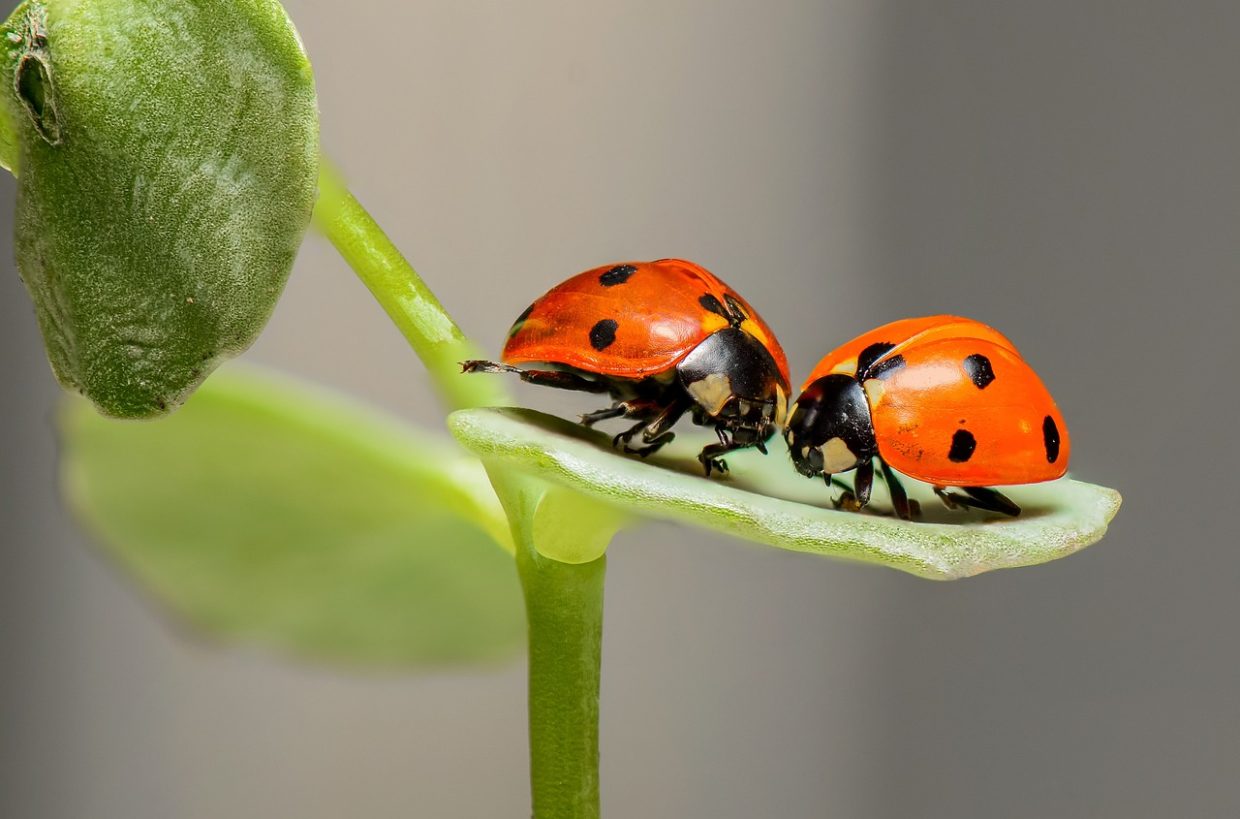


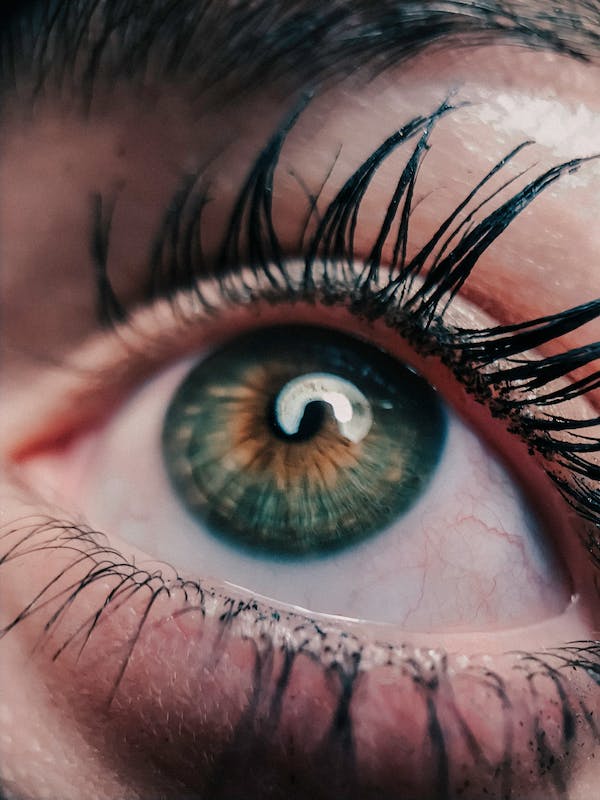
Macro photography allows us to delve into a fascinating world of details and textures that often go unnoticed. It is a specialized photographic technique that enables us to capture close-up shots of small objects with a high level of detail. In this article, we will explore the key aspects of macro photography, the essential tools you need, and the main uses of this exciting photographic discipline.
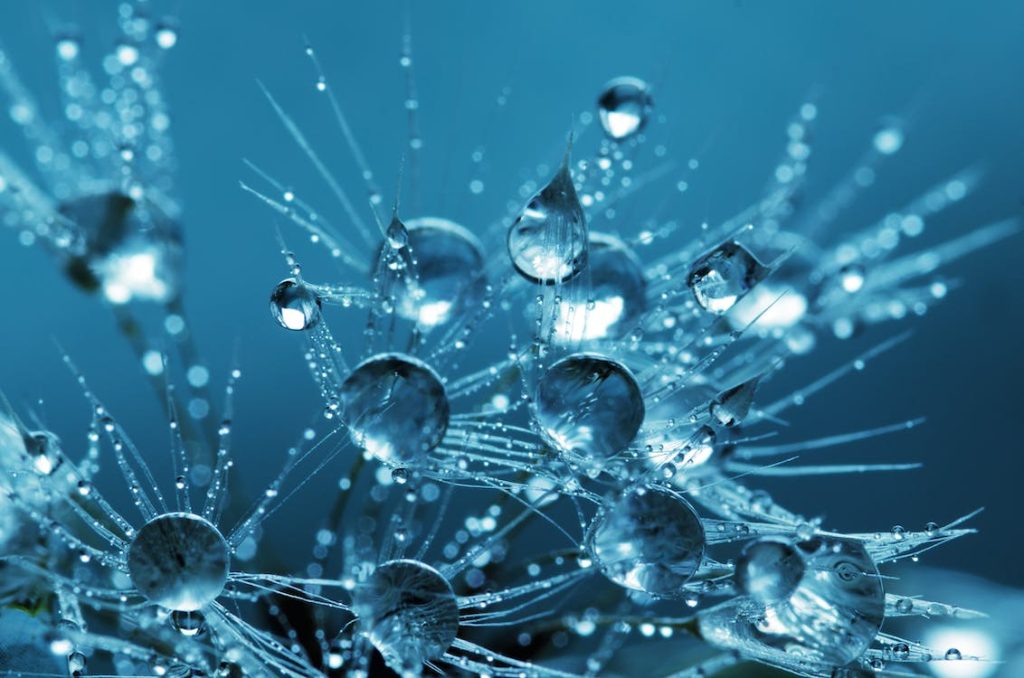
Key Points
- Close focusing distance: Macro photography is all about capturing intricate details, so it’s necessary to use a macro lens or extension tubes to achieve a close focusing distance.
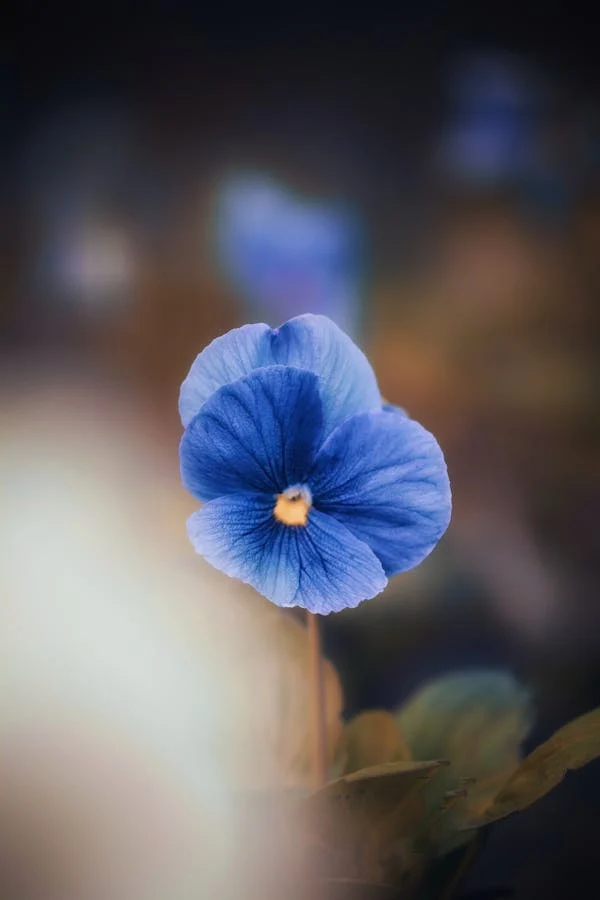
- Limited depth of field: Being so close to the subject results in an extremely shallow depth of field. It’s important to consider this factor and employ techniques such as selective focusing or focus stacking to achieve sharp and detailed results.
- Controlled lighting: Lighting plays a crucial role in macro photography. You can utilize natural light, artificial light, or a combination of both. Having precise control over the lighting helps to highlight details and avoid unwanted shadows.
Essential tools for macro photography
- Macro lens: A macro lens is essential for macro photography as it allows you to get close enough to the subject and capture the tiniest details. These lenses usually have a focal length of 50mm, 100mm, or more.
- Extension tubes: Extension tubes are used to increase the distance between the lens and the camera sensor, enabling greater magnification in macro photography.
- Reverse rings: Reverse rings are placed between the camera and the lens to invert the lens and achieve higher magnification in macro photography.
- Tripod: Since macro photography requires precise focusing and has a limited depth of field, it is advisable to use a tripod to keep the camera stable and avoid unwanted movement.
- Diffusers and reflectors: These accessories help control lighting and soften contrasts when photographing small subjects.
Main uses of macro photography
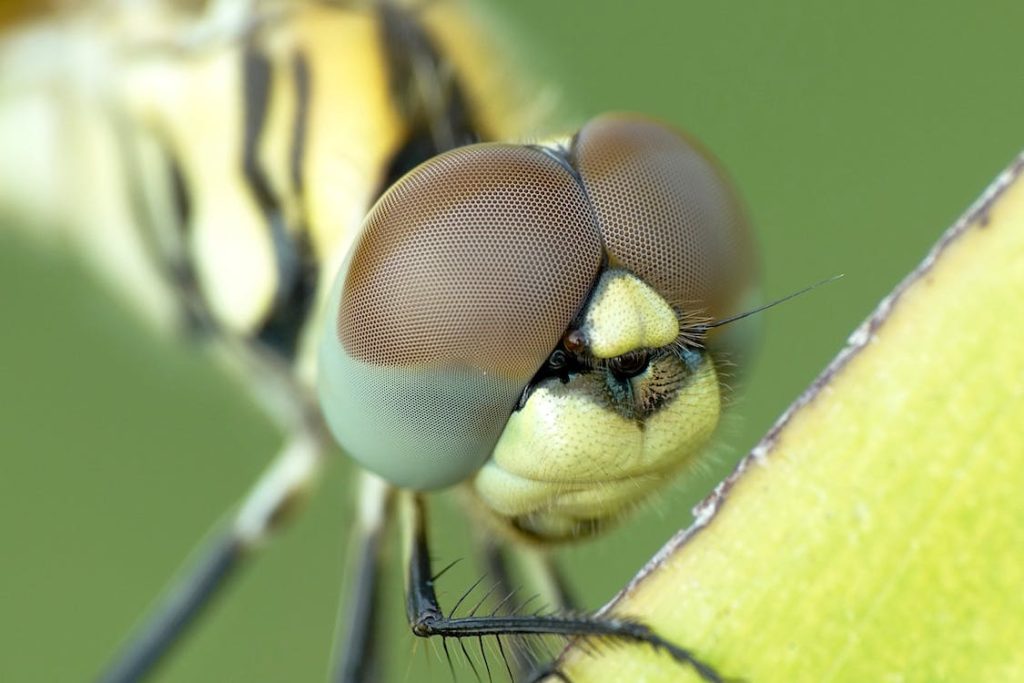
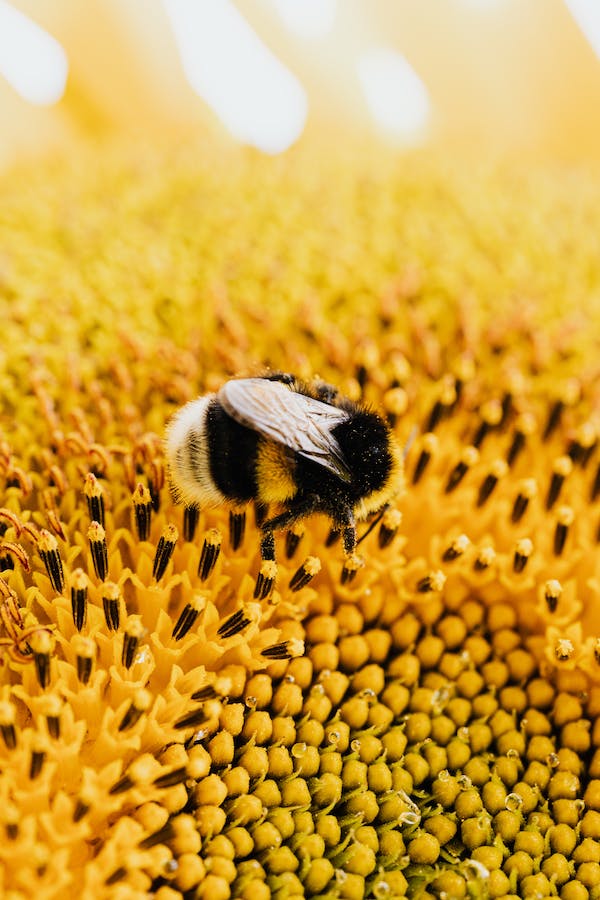
- Nature and wildlife: Macro photography allows you to explore the world of insects, flowers, plant details, and other elements of nature that often go unnoticed.
- Jewelry and products: Macro photography is ideal for capturing the details and texture of jewelry, small products, or crafts.
- Scientific photography: Macro photography is widely used in scientific fields such as biology, entomology, and medicine, where documenting and studying intricate details of samples and specimens is required.
- Art and creativity: Macro photography offers ample room for experimentation and creativity. You can create abstract images, play with composition and colors, and explore new forms of artistic expression.
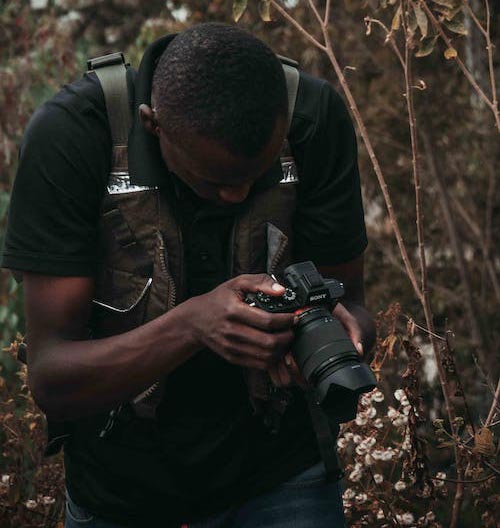
Macro photography invites us to appreciate the hidden beauty in the miniature, revealing a world of fascinating details that often go unnoticed. By mastering the key aspects of this technique, acquiring essential tools, and exploring its diverse applications, we immerse ourselves in a universe of creative possibilities. Macro photography allows us to capture extraordinary images that arouse curiosity and admiration.
Dare to explore the world of macro photography and expand your creative horizons!


