
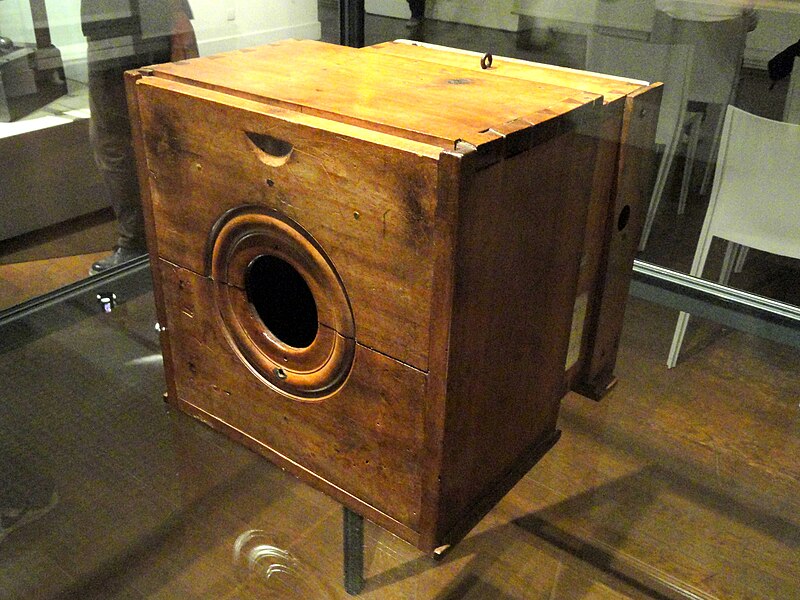


The world’s first camera is a significant milestone in the history of photography. This pioneering camera was invented by Joseph Nicéphore Niépce in the 19th century. Niépce successfully captured the first permanent image using a camera obscura and a metal plate coated with bitumen of Judea.
Niépce’s camera, known as the “heliograph” or “bitumen camera,” was used to capture the famous image titled “View from the Window at Le Gras.” This image, taken in 1826 or 1827, is considered the first permanent photograph in history.
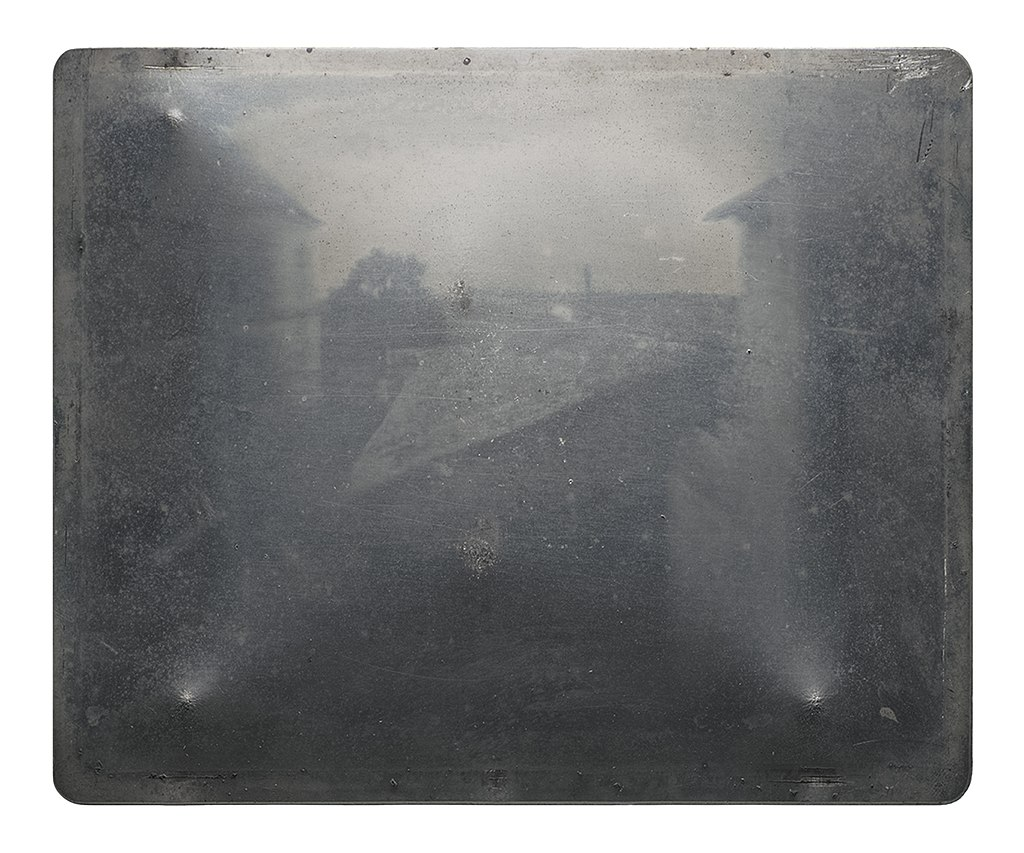
Niépce’s camera presented some interesting peculiarities. For example, due to the long exposure time required to capture an image, moving people and objects did not appear in the final photograph. Additionally, the metal plate coated with bitumen of Judea required a complicated and delicate development process.
Despite these limitations, the invention of the first camera laid the foundation for the development of photography as we know it today. Niépce’s perseverance and creativity paved the way for future advancements in photographic technology and opened the doors to artistic and documentary exploration through photography.
Since then, the evolution of cameras has been astounding. From film cameras to high-resolution digital cameras, technology has advanced enormously, allowing people to capture and share images in a more accessible and rapid manner.
The world’s first camera is a reminder of the importance of innovation and experimentation in the field of photography. It is a testament to human ability to capture and preserve moments, and a tribute to all those who have contributed to the development and evolution of this art form.


